In what ways do nanotechnologies help the environment?
The world around us faces difficult challenges—polluted water, air filled with harmful pollutants, and natural resources that are often depleted. According to expert studies and public perception, we are approaching a tipping point from which there will be no turning back. That is why it is extremely important to seek new solutions that are effective, environmentally friendly, and sustainable in the long term. And this is where something almost invisible comes into play—nanotechnology. It operates at the molecular level yet has the power to change the world.
Thanks to their unique properties—such as a high surface-to-volume ratio and the ability to react even with highly stable substances—nanomaterials open up new possibilities for purifying water, air, and soil, conserving resources, and reducing waste.
The Nano4hope Endowment Fund was established based on the belief that environmental efforts do not have to be high-profile to be effective. Even a seemingly small change at a fundamental level can spark solutions to complex systemic problems.
“Nano” helps restoring water’s purity
Clean water is the foundation of life—for people, animals, and entire ecosystems. One of the key areas of application for nanotechnology is water treatment and purification. For example, filtration systems based on nanofibers can capture not only common impurities but also those invisible to the human eye: viruses, bacteria, and specific micropollutants. The technologies developed by Nanotech dynamics utilize the unique properties of nanofibers, whose structure also creates an ideal environment for the growth of microorganisms that naturally contribute to biomass formation. Within this biomass, bacteria break down pollutants—which helps purify water without unnecessary chemicals and with minimal energy consumption. Alternatively, highly reactive metal nanoparticles can effectively remove heavy metals or toxic organic compounds from groundwater, where conventional technologies are often ineffective. The result of using nanotechnology can thus be a solution that is not only effective but also sustainable in the long term, energy-efficient, and economically accessible.


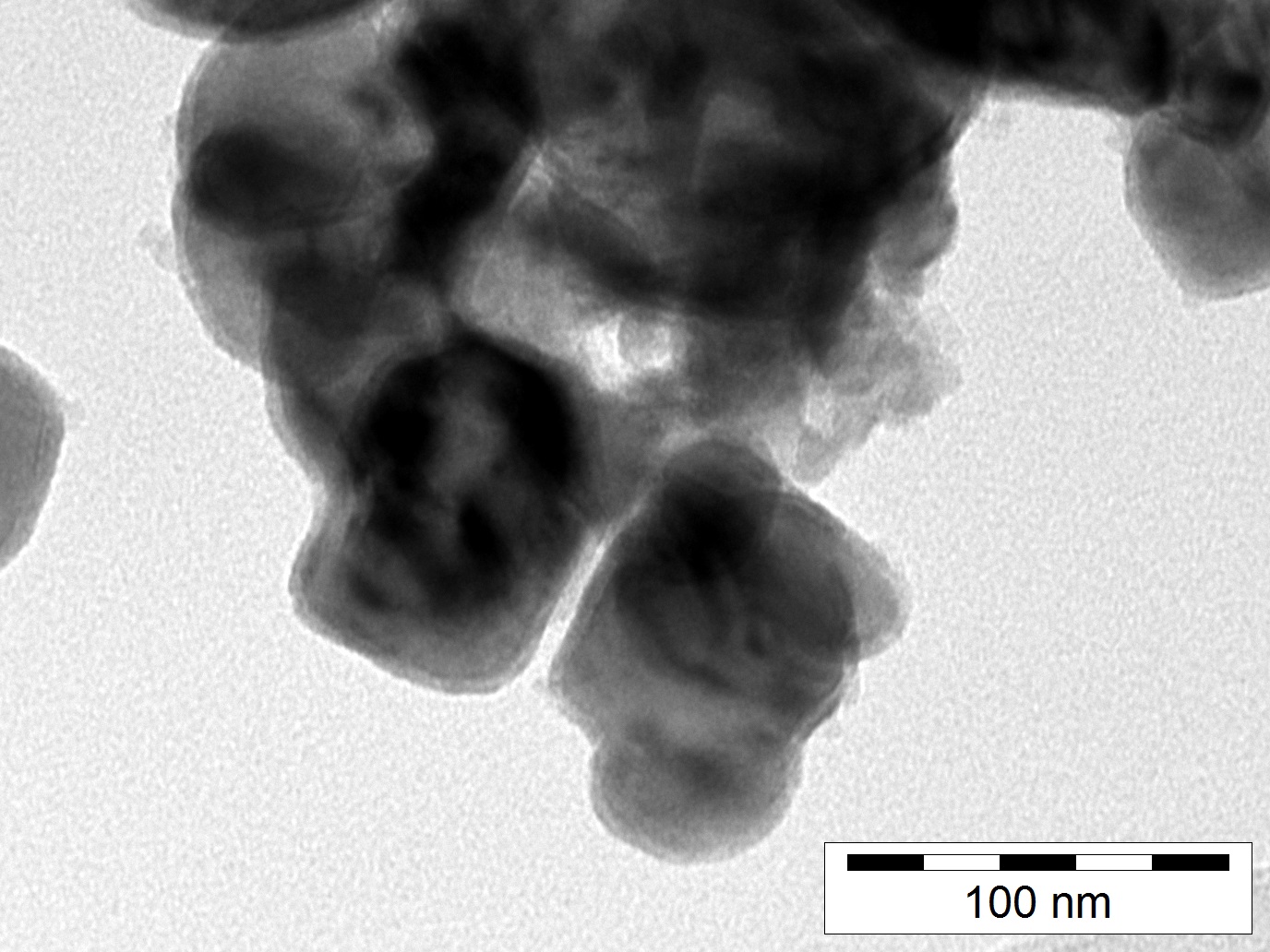
One of many possible real-world examples is the use of metal nanoparticles—particularly common iron—to treat not only groundwater but also wastewater and industrial effluents. This possibility arose from collaboration in basic research at Palacký University in Olomouc and Technical University of Liberec;subsequently, by joining forces with a number of industrial entities, this solution entered remediation practice as a recognized method for treating groundwater. Another significant development in this technology is represented by the newly established company Global Water Nanotechnologies s.r.o. (a startup utilizing a license for the know-how of Palacký University in Olomouc), which is further optimizing the iron nanoparticle-based technology to increase its effectiveness, accelerate the reaction rate with target contaminants, and reduce costs to ensure its availability across a wide range of applications (industrial facilities, wastewater treatment plants, emergency response to accidents and natural disasters, etc.).

“Nano” helps: better air quality for us and for nature
Air connects all living things. When it is polluted, we all truly feel the effects—people, animals, and plants alike. Nanomaterials are also used to remove pollutants from the air in industrial facilities, cities, and other polluted areas where traditional methods often fail.
Nanofiber structures, invisible to the naked eye, capture particles that would otherwise remain in the air. Thanks to their enormous active surface area, these nanostructures—in the form of specialized filters—act as invisible shields that purify the air before pollutants can enter our lungs. In this way, they help protect both human health and natural ecosystems without burdening the environment.

“Nano” helps: using resources wisely
Helping the environment means not only removing pollutants but also preventing them from being produced in the first place. Thanks to the high efficiency and long-lasting effects of nanomaterials, it is possible to significantly reduce energy consumption, raw material use, and the amount of waste.
Every solution that lasts longer and consumes less places a smaller burden on the planet. Nanotechnology supports responsible resource management and contributes to sustainable development.
Because even the smallest thing can have enormous significance.
Today, nanotechnology is one of the most important tools for addressing environmental challenges—from water and air pollution to the conservation of natural resources.
In line with a responsible approach, scientific knowledge, and regulations, nanomaterials help protect what we value most. Because even the smallest particles can hold great promise for future generations.